
Founded in 1994. Revolutionized PC gaming forever. 3DFX Interactive and its Voodoo series defined an era of 3D acceleration β bringing texture mapping, anti-aliasing, and real-time rendering to the masses for the very first time.
From a small startup in San Jose to dominating 85% of the 3D graphics market β and the fateful decisions that led to its end.
Three engineers from Silicon Graphics and one legendary venture capitalist β together they created the company that changed gaming history.
The marketing genius who brought 3DFX from the arcade market into consumer PCs. He built the "same chip, from arcade to desktop" business model. After leaving, he co-founded Quantum3D, applying 3DFX technology to military simulation and professional visualization.
VP of Engineering and Chief Technology Officer. Delivered 7 award-winning products and led the design of 14 different graphics processors at 3DFX β from the original Voodoo Graphics to the final VSA-100. Previously designed high-performance workstations at SGI.
One of the first to realize that microprocessors could serve as geometry engines. His experience building advanced graphics systems at SGI defined 3DFX's technical direction β delivering workstation-level 3D rendering on consumer-grade chips. His vision transformed the entire industry.
Every generation of Voodoo pushed the boundaries of what was possible in real-time 3D rendering.
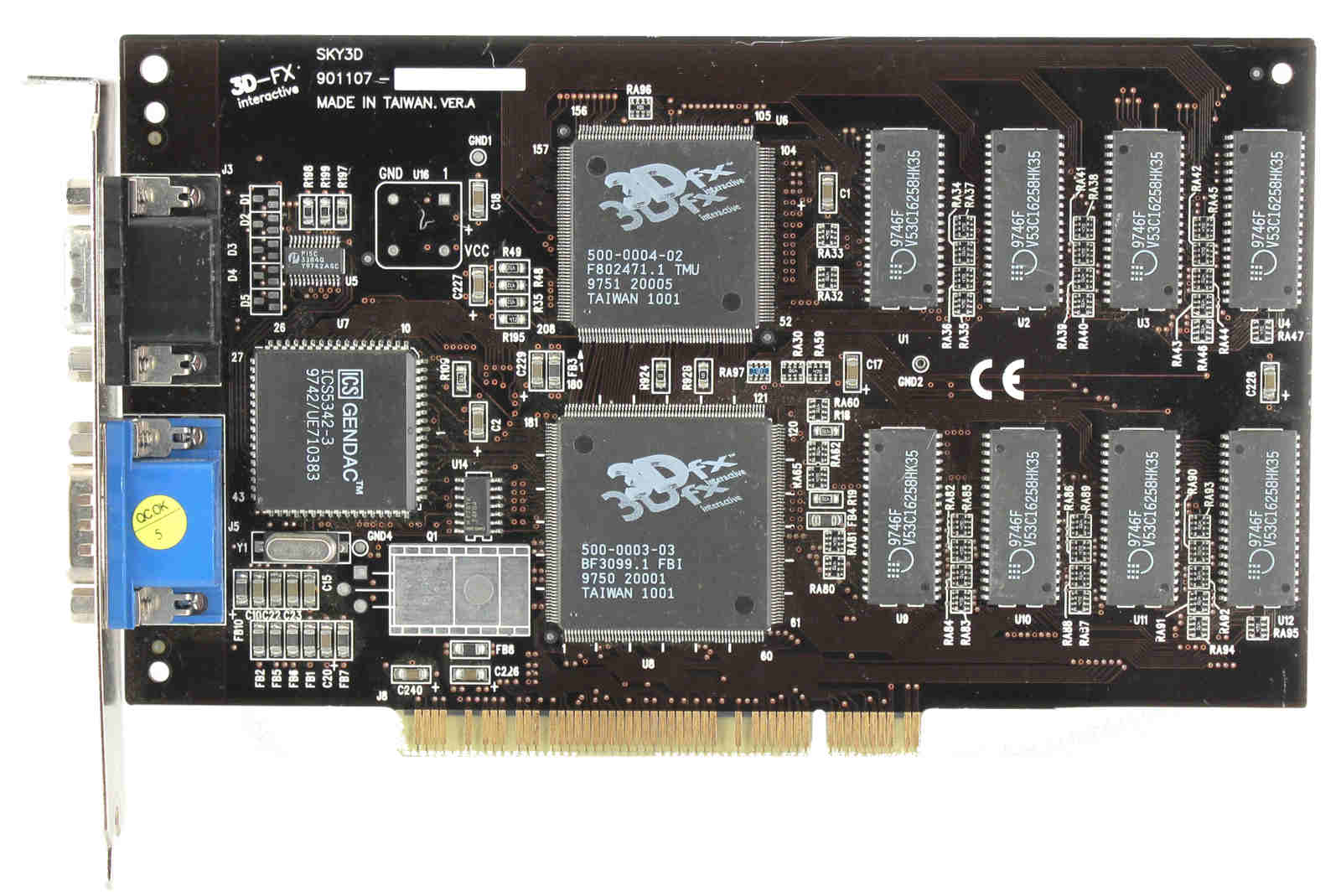
The card that started it all. A dedicated PCI 3D accelerator with a frame buffer processor and dedicated texture mapping unit. It required a separate 2D VGA card connected via a pass-through cable. Despite this limitation, its performance was unrivaled.
The first attempt at combining 2D and 3D on a single board. It paired a Voodoo chip with an Alliance Semiconductor or Macronix 2D chip. However, shared memory bandwidth caused significant performance issues and it was discontinued within a year.
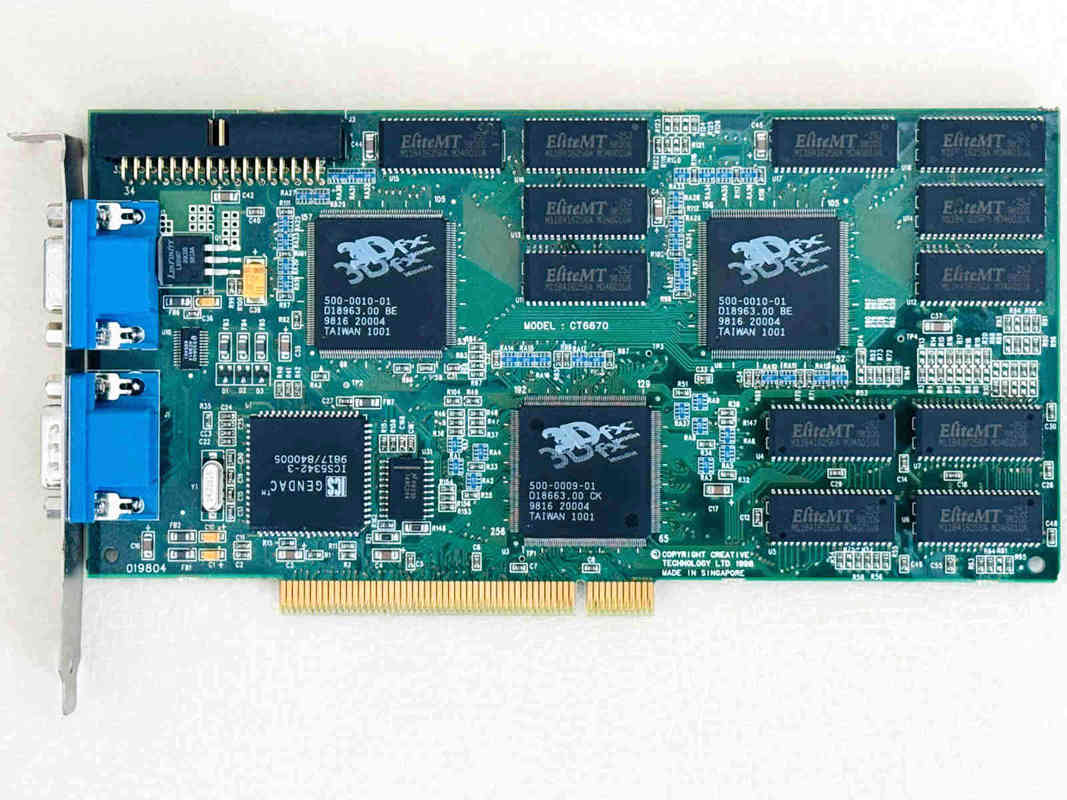
Architecturally evolved with dual texture mapping units, allowing two textures in a single rendering pass β a massive leap in visual quality. Introduced SLI (Scan-Line Interleave) for multi-card setups reaching 1024Γ768 resolution. 3DFX's best-selling chipset.
A single-chip solution integrating 128-bit 2D acceleration with Voodoo2-class 3D hardware (but only one TMU). It eliminated the need for a separate 2D card, targeting the mainstream market at a lower price point. Available in both PCI and AGP variants.
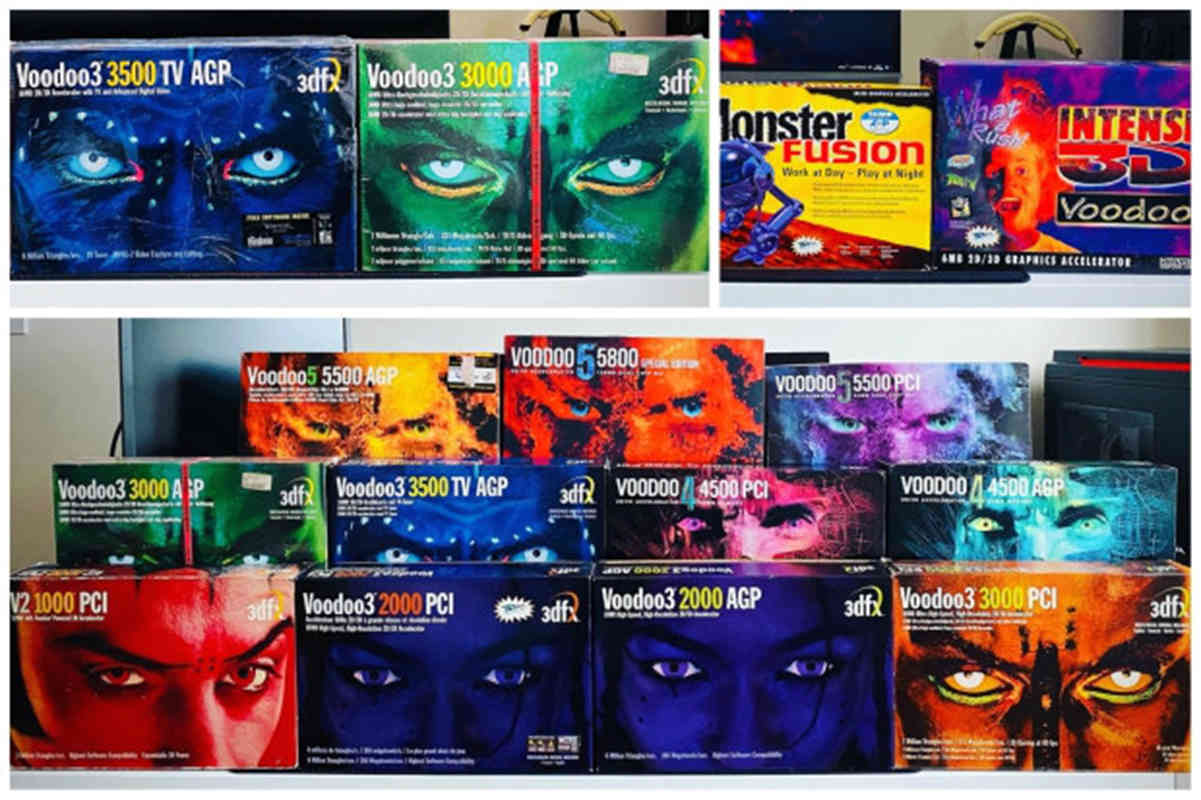
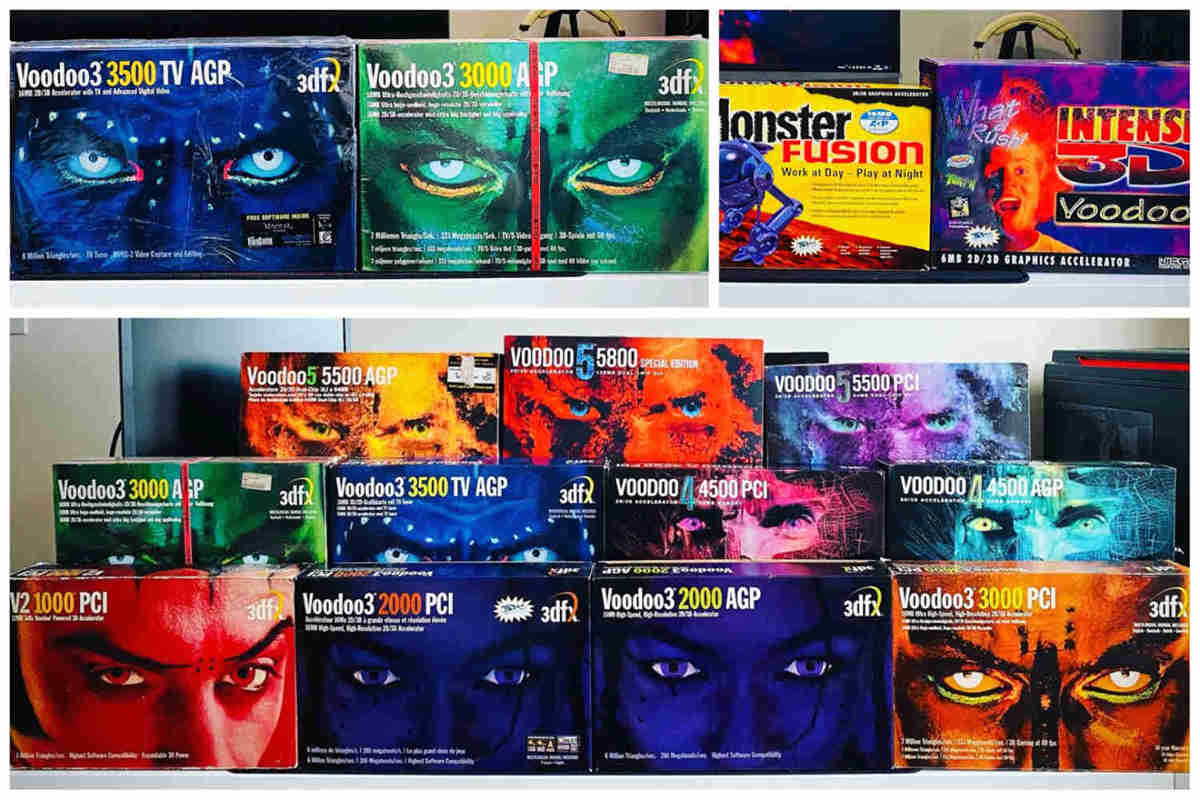
Built on an enhanced Banshee core with a second TMU restored, the Voodoo3 came in 2000, 3000, and 3500 variants (143β183 MHz). First product manufactured after the STB Systems acquisition. Internally 32-bit but dithered to 16-bit output β a controversial decision that drew criticism.
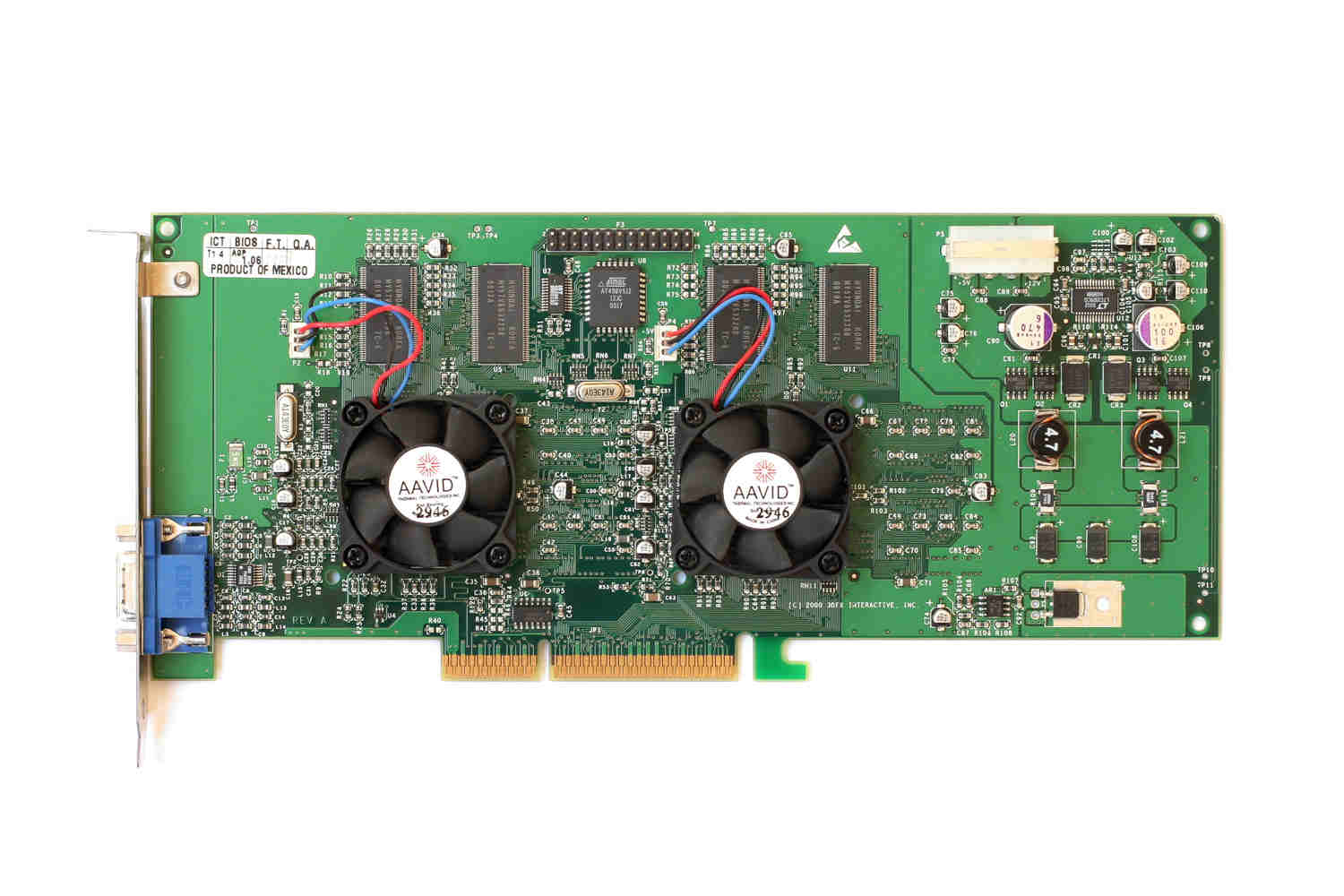
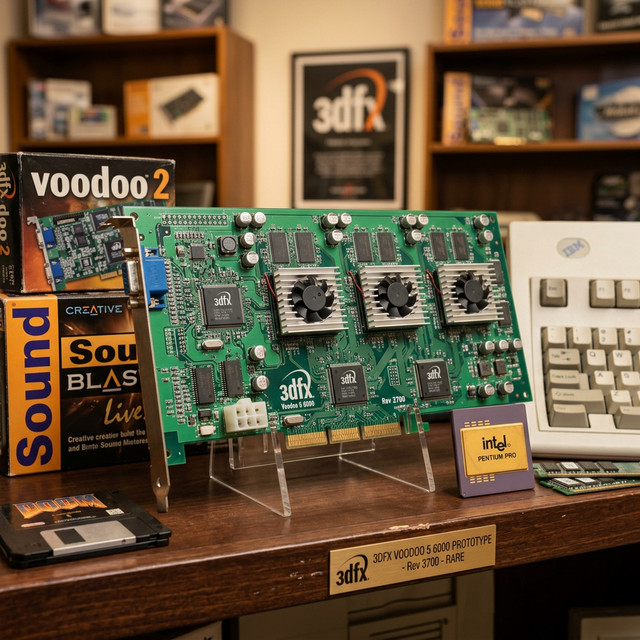
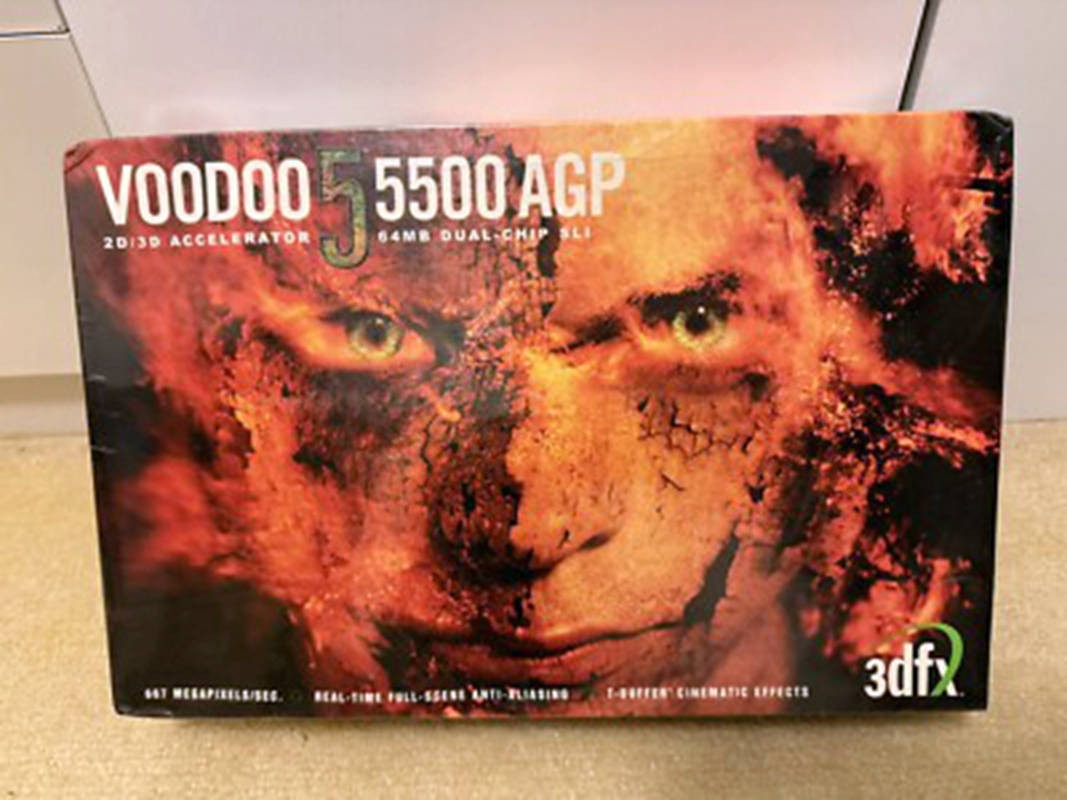
The final generation, based on the VSA-100 chip. Voodoo 4 4500 used one chip; Voodoo 5 5500 used two in SLI. Full 32-bit color, T-Buffer effects, and FSAA. The legendary Voodoo 5 6000 (four chips, external power) was never officially released β a "holy grail" for collectors.
3DFX didn't just make graphics cards β they invented fundamental technologies that shaped the entire GPU industry for decades to come.
3DFX's proprietary 3D graphics API was designed for maximum performance on Voodoo hardware. Unlike generic APIs, Glide's data formats matched the Voodoo's internal architecture exactly, minimizing overhead. During 1997β1999, nearly every major PC game supported Glide β from Quake II to Unreal. Though superseded by Direct3D and OpenGL, Glide was later open-sourced before 3DFX's closure, and lives on in projects like nGlide and dgVoodoo.
Introduced with the Voodoo2 in 1998, SLI allowed two identical cards to render alternate scan lines of the display β effectively doubling pixel fill rate. One card rendered even lines, the other rendered odd lines, then combined the output. This concept was so groundbreaking that NVIDIA acquired and reimagined it as "Scalable Link Interface" for their GeForce cards in 2004.
The Voodoo's dedicated Texture Mapping Unit (TMU) performed perspective-correct texture mapping with bi-linear filtering in hardware β features that software renderers simply could not match. The Voodoo2's dual TMUs enabled multi-texturing in a single pass, enabling effects like lightmaps layered over diffuse textures without performance penalty.
The Voodoo 5 series introduced hardware FSAA via its T-Buffer technology β performing multi-sample anti-aliasing by rendering the scene at 2Γ or 4Γ resolution and averaging the results. This produced dramatically smoother edges at a time when other cards offered no anti-aliasing solution. FSAA became a standard GPU feature.
The original Voodoo's innovative pass-through cable design connected to an existing 2D VGA card via a DB-15 connector. In 2D mode, the signal passed through unmodified; when a 3D application launched, the Voodoo would take over the display output. This architecture allowed the dedicated 3D chip to have its own memory bus entirely for 3D operations without 2D rendering overhead.
Exclusive to the VSA-100 generation, the T-Buffer was an accumulation buffer that enabled advanced effects: motion blur, depth-of-field, soft shadows, and soft reflections β in real-time hardware. While ahead of its time and rarely utilized by games before 3DFX's closure, these techniques became standard in modern GPUs under names like temporal anti-aliasing and screen-space effects.
From 50MHz to 166MHz, from 4MB to 128MB β six years of staggering performance leaps.
| Model | Year | Core Clock | Fill Rate | Memory | Bandwidth | Interface | Key Features |
|---|---|---|---|---|---|---|---|
| Voodoo Graphics | 1996 | 50 MHz | 45 MT/s | 4 MB EDO | 0.8 GB/s | PCI | The original, single TMU |
| Voodoo Rush | 1997 | 50 MHz | 45 MT/s | 4-8 MB | 0.8 GB/s | PCI | First 2D+3D attempt (failed) |
| Voodoo2 | 1998 | 90 MHz | 90 MT/s | 8-12 MB EDO | 2.16 GB/s | PCI | Dual TMU Β· SLI pioneer |
| Voodoo Banshee | 1998 | 100 MHz | 100 MT/s | 16 MB SGRAM | 1.6 GB/s | AGP/PCI | Single-chip 2D+3D |
| Voodoo3 3000 | 1999 | 166 MHz | 332 MT/s | 16 MB SGRAM | 2.66 GB/s | AGP 2Γ | Dual TMU Β· 16-bit controversy |
| Voodoo5 5500 | 2000 | 166 MHz | 667 MT/s | 64 MB DDR | 5.3 GB/s | AGP 4Γ | Dual-chip SLI Β· FSAA Β· 32-bit |
| Voodoo5 6000 UNRELEASED | 2000 | 166 MHz | 1333 MT/s | 128 MB DDR | 10.6 GB/s | AGP 4Γ | Quad-chip Β· External PSU Β· Holy Grail |
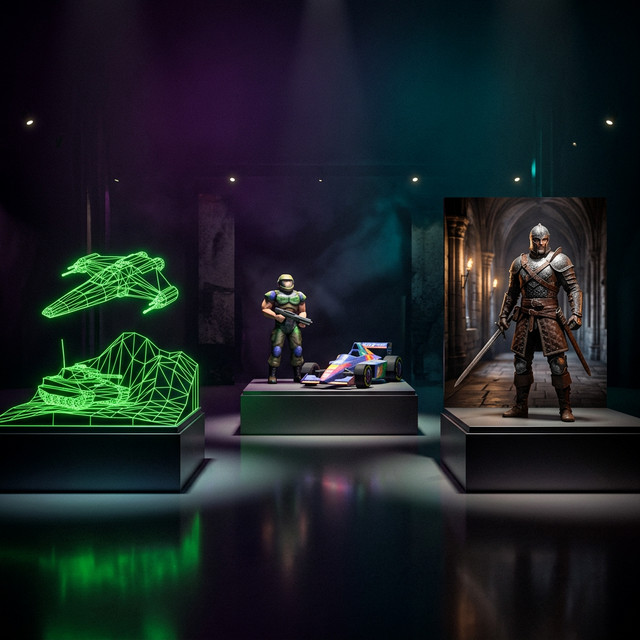
These legendary titles defined the golden age of PC gaming β and they looked their absolute best on 3DFX Voodoo hardware.
Between 1996 and 2000, virtually every major PC title supported 3DFX's Glide API. The purple "3DFX Interactive" logo on a game box was a seal of quality and performance. From John Carmack's GLQuake to Epic Games' Unreal, from Valve's Half-Life to Core Design's Tomb Raider II β owning a Voodoo meant experiencing these games at their very best.
John Carmack's GLQuake was the first game to truly prove the value of 3D acceleration. On a Voodoo, textures became silky smooth, lighting turned realistic, and frame rates soared from 15fps in software rendering to a fluid 60fps β a visual revolution. GLQuake made every gamer realize: a 3D accelerator wasn't a luxury, it was a necessity.
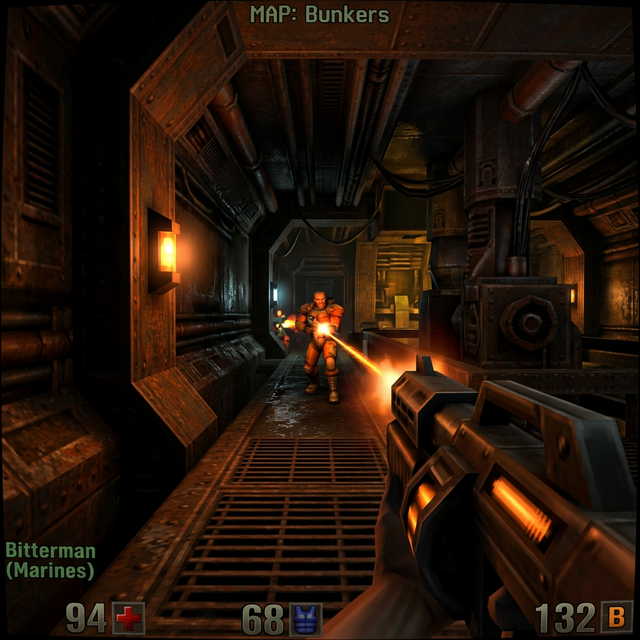
id Software's sequel pushed Glide rendering to new heights. Quake II introduced a revolutionary colored dynamic lighting system β rocket explosions cast orange firelight down corridors, laser beams bounced blue reflections off metallic walls. With a Voodoo2 SLI setup, it ran smoothly at 1024Γ768 β a miracle for its time.
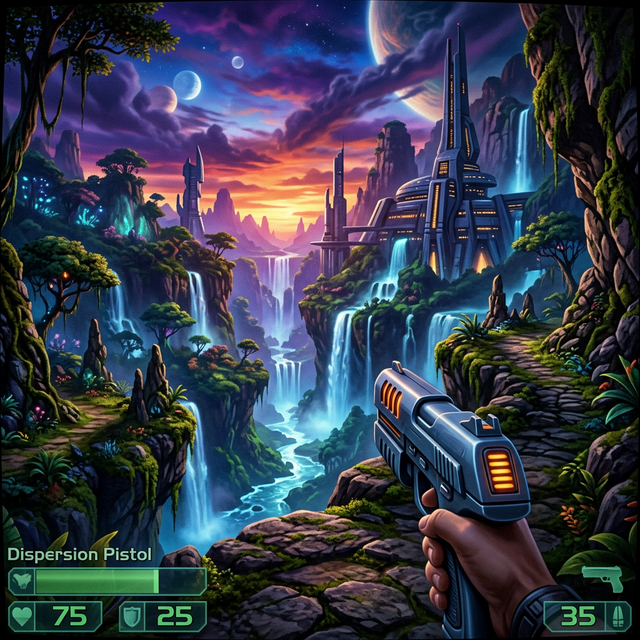
Epic's Unreal stunned the world β alien waterfalls cascading in real-time, ever-changing skies, vegetation swaying in the wind. Under Voodoo's Glide mode, the visual quality far surpassed software rendering. The Unreal Engine was born here and remains one of the world's most popular game engines today. Tim Sweeney publicly praised the enormous role 3DFX hardware played in Unreal's development.
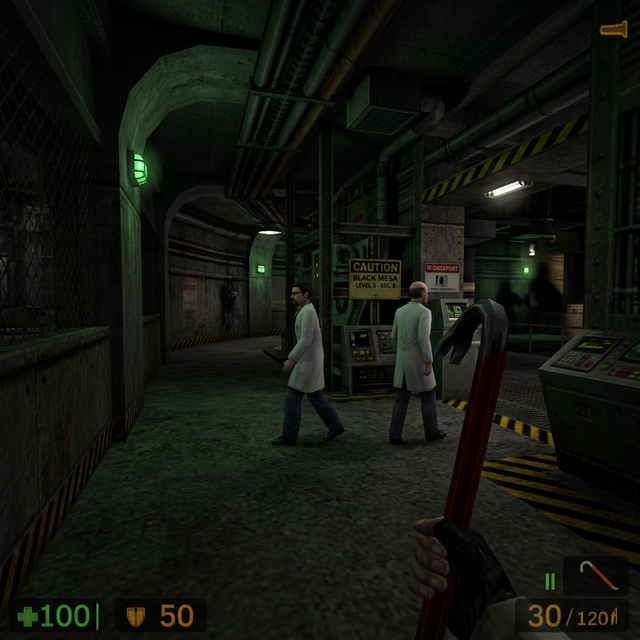
Valve's debut title redefined first-person shooter storytelling. The heavily modified GoldSrc engine ran buttery smooth on Voodoo2 β complex AI scripted sequences, physics interactions, and cinematic narrative seamlessly blended together. Half-Life was not only 1998's Game of the Year, but also gave birth to the legendary mod Counter-Strike, forever changing the gaming industry.
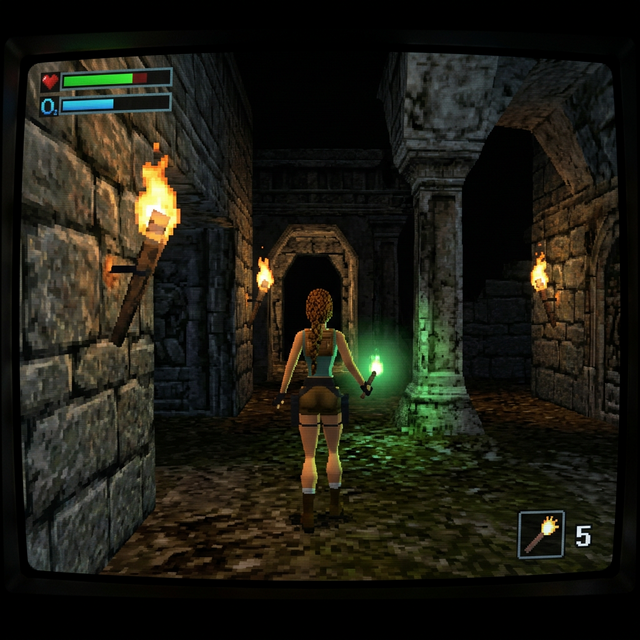
Lara Croft's second adventure β from Venice canals to the Great Wall of China β was transformed on Voodoo hardware. 3D acceleration brought longer draw distances, smoother textures, and more fluid frame rates. The transparent water effects in underwater levels were particularly stunning. The prominent "3DFX Optimized" badge on the game box became one of that era's most iconic images.
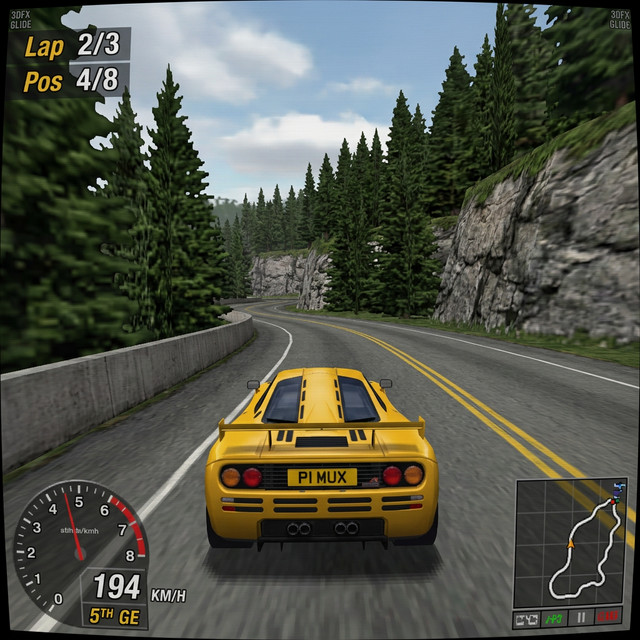
EA released this "Special Edition" exclusively for 3DFX users β the standard version only had software rendering; you needed the SE for 3D acceleration. The Ferrari F50 and McLaren F1 gleamed with stunning reflections under Voodoo acceleration, and track environments became richer and more detailed. This was the ultimate proof of 3DFX's commercial influence.
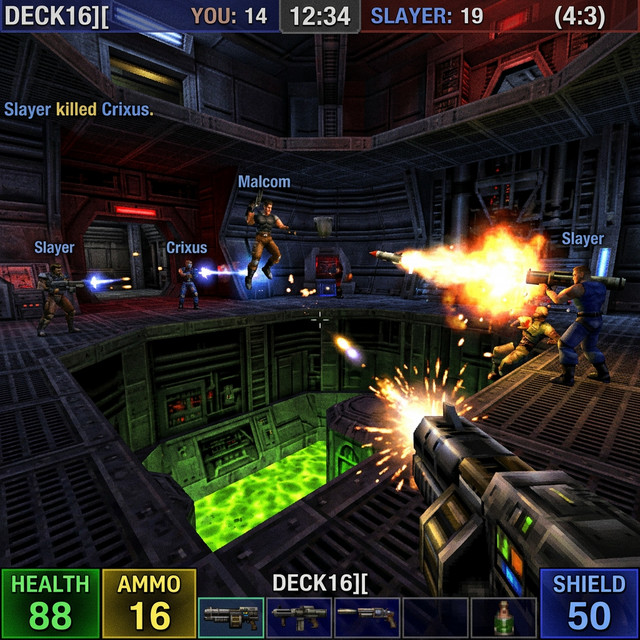
The definitive multiplayer arena shooter of the Voodoo3 era. UT99 pushed the Unreal Engine to its limits β rocket trails blazing across arenas, shock rifle lightning effects, teleporter ripples β all running silky smooth on the Voodoo3 3000's 166MHz core. "Headshot!" and "M-M-M-Monster Kill!" echo through the memories of veteran gamers to this day.
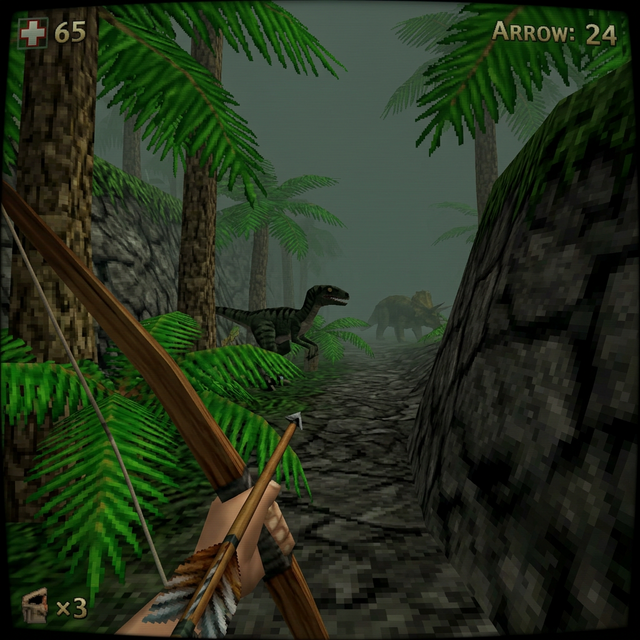
Originally an N64 exclusive, the PC port of Turok practically required a 3DFX Voodoo for a playable experience. With Voodoo acceleration, the dense jungle vegetation, massive dinosaur models, and signature fog distance effects were dramatically improved. This game perfectly showcased 3DFX hardware's ability to handle complex outdoor environments.
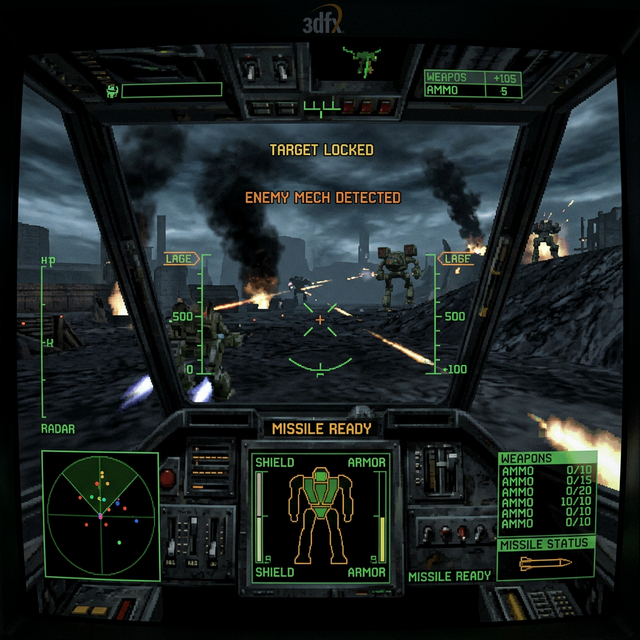
Activision made the bold decision to release a dedicated 3DFX edition of MechWarrior 2. This wasn't a simple patch β it featured a completely rewritten renderer supporting perspective-correct textures, bilinear filtering, and real-time lighting. Giant battle mechs finally had the visual impact they deserved under 3DFX acceleration. A landmark moment: the first time a game released a GPU-specific edition.
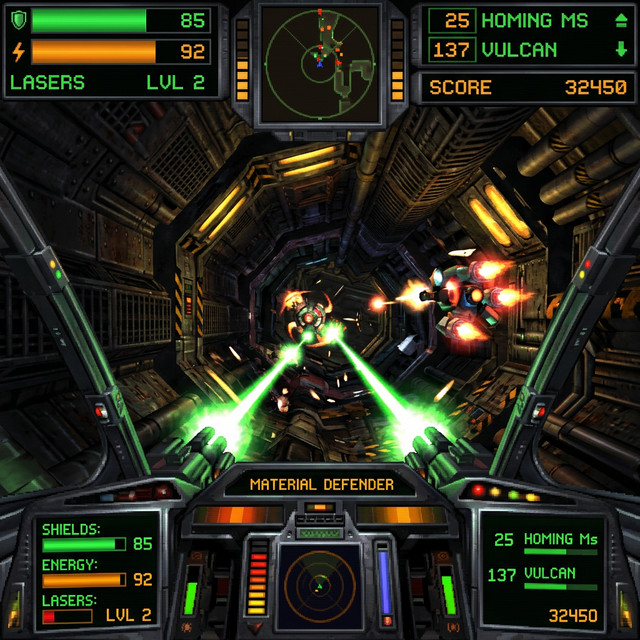
In this revolutionary six-degrees-of-freedom shooter, you pilot a ship through alien mines, spinning and rolling in full 360-degree combat. Software-rendered Descent II was rough and unstable; with Voodoo acceleration, metallic tunnel textures gleamed, laser weapon effects dazzled, and even the most complex scenes maintained buttery smooth frame rates.
Though 3DFX has taken its final bow, its spirit lives on in a thriving global community.
3DFX actually started in the arcade market! In 1996, the Voodoo chip debuted in ICE's Home Run Derby baseball arcade. It then powered Atari's iconic San Francisco Rush and Wayne Gretzky's 3D Hockey cabinets. Co-founder Ross Smith later founded Quantum3D, extending this technology into military simulation and professional visualization.
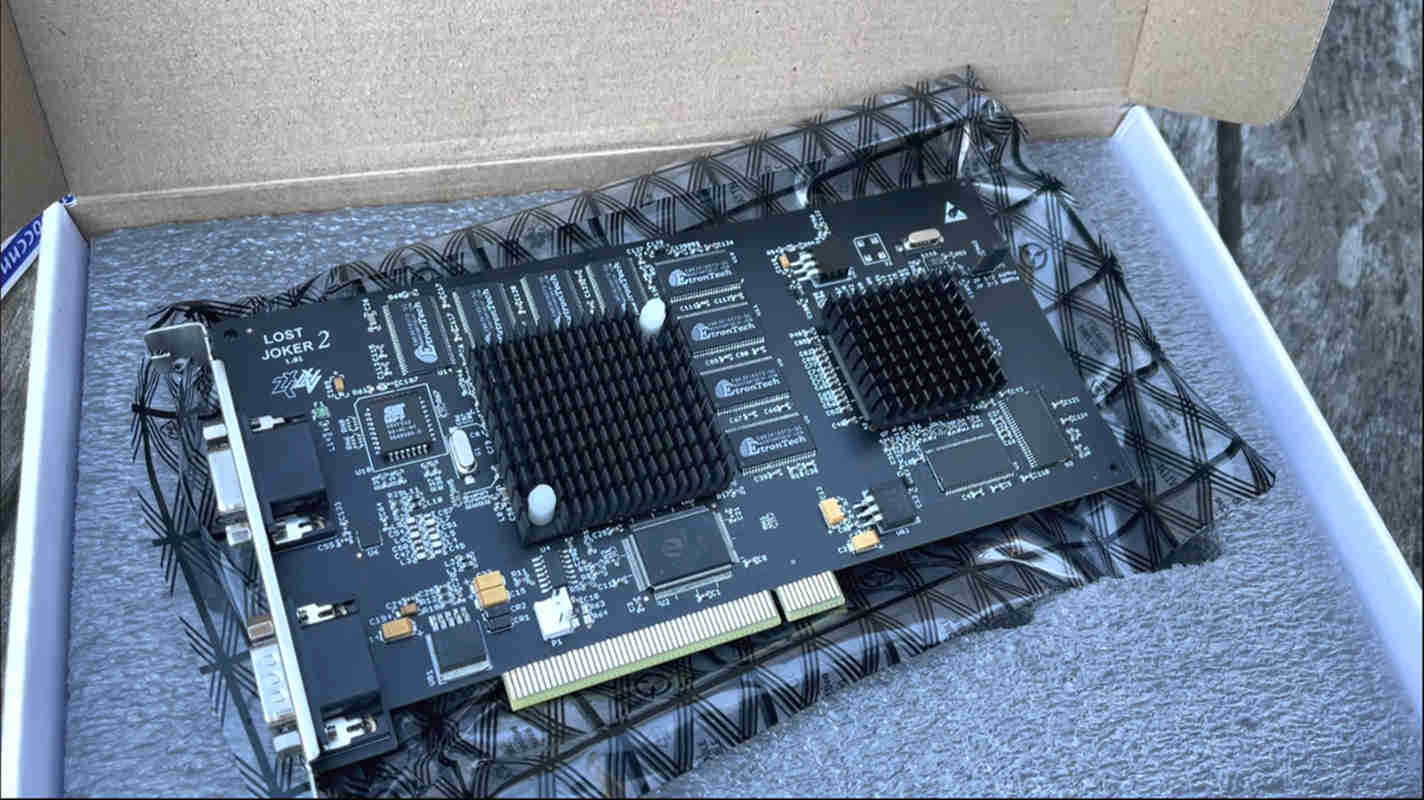
The Voodoo 5 6000 prototype β the never-released quad-chip beast β has become a legend among hardware collectors. In 2023, an original sold for $15,000 on eBay. Enthusiasts worldwide continue to produce replica boards and mod projects. The 3DFX section on VOGONS.org remains extraordinarily active to this day.
Thanks to open-source wrapper projects like nGlide and dgVoodoo, hundreds of Glide-era classics can still run perfectly on modern Windows PCs β even with enhanced resolution and anti-aliasing. Platforms like GOG.com also use these tools to ensure classic PC game compatibility. 3DFX open-sourced the Glide API before closing its doors, a decision that ensures its legacy endures forever.
Although 3DFX Interactive ceased to exist in 2002, its innovations formed the bedrock upon which the modern GPU industry was built. NVIDIA's acquisition of 3DFX's patent portfolio β including the SLI technology β directly influenced the development of multi-GPU solutions that persisted for over two decades.
The concept of dedicated hardware texture mapping units (TMUs), the pass-through architecture that led to the discrete GPU paradigm, and the pioneering efforts in full-scene anti-aliasing β all originated at 3DFX. Even the concept of vendor-specific optimization APIs (like Glide) influenced how NVIDIA's CUDA and AMD's ROCm were later designed.
For an entire generation of gamers and developers, the purple 3DFX logo on a game box was a seal of quality β a promise of visual fidelity that was unmatched. Today, every GPU in every computer, phone, and console owes a debt to the three engineers from San Jose who dared to bring arcade-quality 3D to the desktop.
3DFX didn't just make graphics cards. They made people believe that a personal computer could deliver experiences previously reserved for arcade machines costing tens of thousands of dollars.
"Back in the day, if you were a hardcore gamer, your graphics card was definitely a 3dfx Voodoo."
β A shared memory of countless 90s PC gamers
Though 3dfx is gone, its legacy lives on in today's graphics technology. The SLI technology was inherited and elevated by NVIDIA, becoming the benchmark for multi-GPU collaboration. In 2023, an original Voodoo 5 6000 sold for $15,000 on eBay. The enthusiast community continues to carry out replica projects and modification events to this day, keeping the legend alive. Let us forever remember this great company that changed the history of PC gaming.